
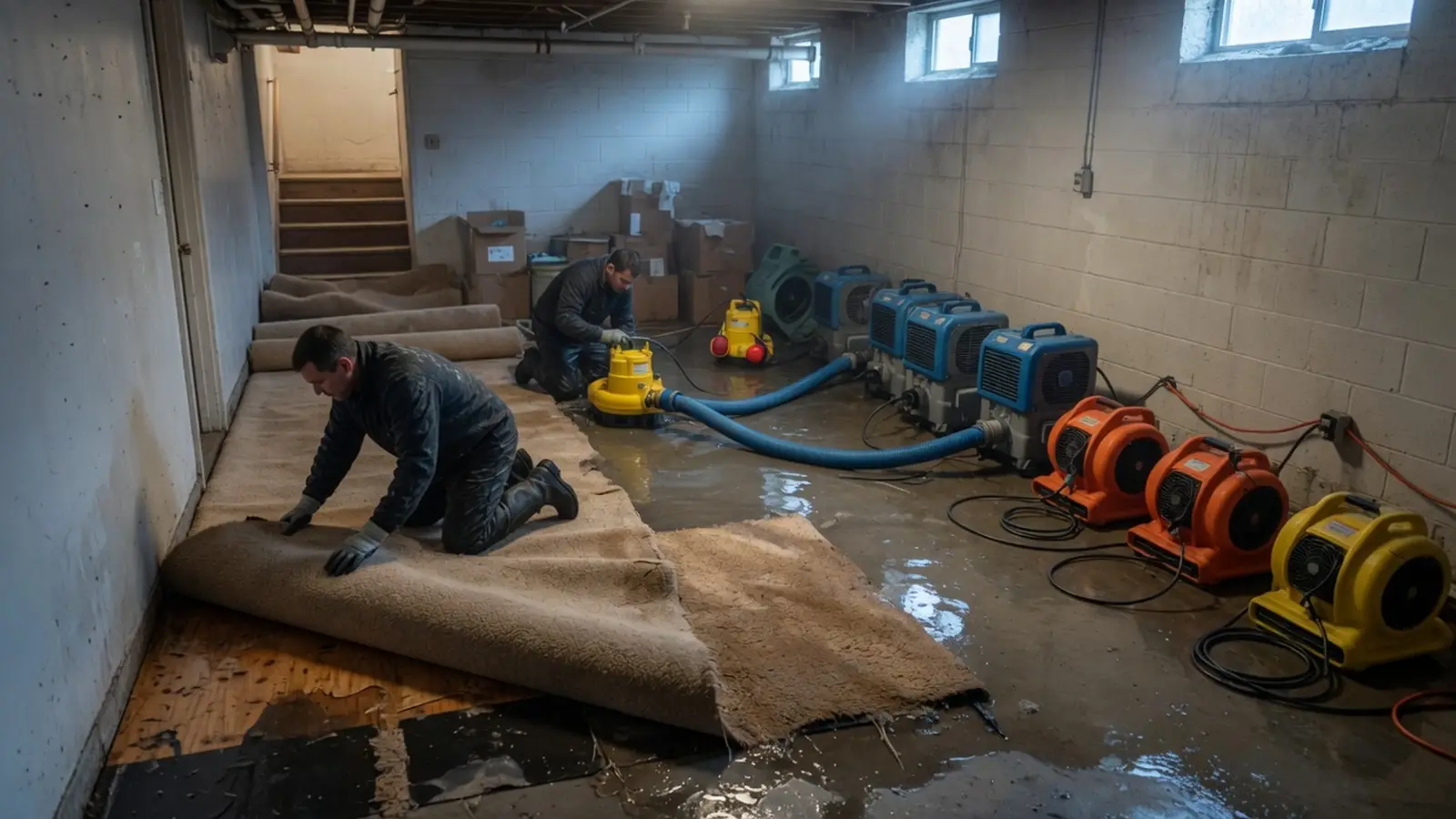
Naples Hurricane Surge Cleanup
When ocean surge breaches your home, immediate extraction and structural decontamination are critical. Our specialized team clears silt, cuts out contaminated drywall, and operates commercial desiccant dryers to protect your foundation from salt damage.
Call (239) 555-0124.
Dedicated Storm Surge Remediation
Our technicians specialize in deep flood extraction and sanitizing for beachfront properties hit by severe tropical weather.
As homeowners often describe following major squalls, severe coastal surge water entering living areas brings deep uncertainty regarding structural integrity assessments and deep flood remediation.
Even when hurricanes make landfall well north in Sarasota, destructive surge and sediment are still driven into coastal beachfront properties across the barrier coastline.
We provide comprehensive regional water damage restoration services to stabilize framing and prevent long-term decay.
Our crew inspects moisture pockets behind baseboards and beneath subfloors to ensure complete drying before any rebuilding begins.
Step-by-Step Surge Recovery Process
A pattern echoed in public discussions is that uninsured homeowners dealing with substantial interior standing water need urgent triage procedures regarding gutting sequence, electrical safety, and drying setup when managing severe storm damage recovery.
- Site Clearance And Utility Safety. Heavy storm-surge sand pushed against exterior walls requires heavy machinery excavation before foundation drying and water extraction can start. In severe washouts, calf-deep sand deposits bury exterior utility connections and hydrants, impeding critical emergency shutoffs during water extraction setup.
- Contaminated Material Removal. Because storm surge introduces corrosive salt residue and Category 3 contaminants, porous insulation and drywall submerged by seawater must be removed rather than dried in place.
- Industrial Decontamination And Flushing. Crews pressure wash structural framing to remove abrasive silt and neutralize corrosive sea salt deposits from all exposed studs. Antimicrobial treatments are applied directly to concrete slabs and wooden framing to halt bacterial proliferation.
- Deep Desiccant Dehumidification. High-capacity desiccant dehumidifiers and high-velocity air movers are positioned across the ground floor to draw moisture out of structural timbers. We maintain strict control over drying environments following professional mold remediation protocols until standard dry baselines are met.
Our Saltwater Mitigation Standard
Subtropical Gulf moisture and lingering floodwater in coastal crawl spaces and slab foundations can drive interior relative humidity above 70% within hours of a storm surge. We deploy industrial desiccant dehumidification systems and penetrating salt-neutralizing agents on every ground-floor recovery project. Our team strictly verifies moisture levels in wood studs and concrete foundations with calibrated digital meters before certifying any space as dry.
Exterior Sand Clearing
Tons of dense marine sediment can pile against foundations after tidal overwash. We mobilize heavy excavation equipment to clear sand away from siding, vents, and buried emergency utility shutoffs.
Category 3 Flood Strip-Out
Ocean surge carries high microbial loads and harsh sea salt into wall assemblies. Our crew strips wet drywall, baseboards, and soaked batting to stop rot and eliminate persistent salt corrosion.
Structural Desiccant Drying
Standard dehumidifiers struggle against dense coastal humidity and salt-laden moisture. We use commercial desiccant units that pull deep bound water out of concrete floor slabs and framing timbers.
Our Commitment To Rapid Disaster Recovery
Every flood response follows rigorous structural drying and decontamination standards to protect local properties from secondary decay.
- 15Zip Codes Served
- 5Service Areas
- 3Services Offered
Read real feedback from property owners who relied on our emergency crews to clear surge deposits, extract saltwater, and sanitize flooded living spaces.
“When local inspectors came by to review our flood tear-out, every moisture log and elevation cut met municipal building requirements on the first walkthrough. The crew handled all the documentation smoothly, which kept our reconstruction schedule moving without costly delays. That attention to structural protocol gave us tremendous peace of mind.”
Gregory V.
“Detailed daily photo updates and moisture readings arrived on my phone every single morning without me ever having to ask. The team explained exactly which wall cavities were drying and what remained to be done before the next phase. I never had to hunt anyone down for status reports during a chaotic week.”
Diane K.
“Instead of trying to salvage salt-soaked baseboard trim that would have rusted fasteners later, they showed me why removing it now prevents recurring mold issues. The crew explained the chemistry of coastal flood salts clearly and saved us from having to redo our floors next year. Their honest guidance kept our final repair budget reasonable.”
Marcus B.
“Deep sand dunes blocked our side access gate and buried the main shutoff valve after the storm surge receded. The crew brought in compact excavation equipment to clear the perimeter and quickly got their desiccant drying units running ahead of schedule. Their hustle turned what felt like a lost week into a successful extraction.”
Elena R.
Frequently Asked Questions
How high above the visible flood line does drywall need to be cut after hurricane surge water enters the ground floor?
Technicians cut drywall a minimum of twelve to twenty-four inches above the highest moisture mark to eliminate hidden wicking and salt. Because storm surge water carries contaminants and sea salt that wicks rapidly up porous sheetrock, removing drywall well above the water line ensures no damp insulation or microbial growth remains trapped behind wall framing.
Why must ocean surge floodwater be treated as Category 3 black water?
Seawater surge carries ocean silt, biological contaminants, street runoff, and corrosive salt that make it immediate Category 3 black water. Unlike clean pipe leaks, coastal surge introduces hazardous bacteria and chemical residues into living spaces. Porous building materials saturated by storm surge must be removed and the structural framing thoroughly disinfected.
How does trapped sea salt impact structural drying in ground floor walls?
Salt deposits are naturally hygroscopic, meaning they pull humidity directly from ambient air and keep building materials persistently damp. If salt residue is not washed away during initial tear-out, standard dehumidifiers cannot dry the structure. Framing continues to absorb ambient humidity until penetrating desiccant drying and salt washes are applied.
What should homeowners do before recovery crews arrive after a storm surge?
Homeowners must shut off main electrical breakers from a dry location and document flood levels with clear photos before any cleanup starts. Never walk through standing surge water if electricity is still live or exterior utility panels remain buried in wet sand. Once power is isolated, opening windows allows moisture to escape while emergency teams mobilize.
How long does complete structural drying take after saltwater surge flooding?
Thorough structural drying typically requires between three and seven days of continuous industrial desiccant dehumidification and monitoring. Concrete slabs and heavy load-bearing wall plates release bound moisture slowly, especially in humid coastal climates. Daily moisture meter readings determine exactly when structural framing reaches safe baseline levels for reconstruction.