
Naples Mold Remediation
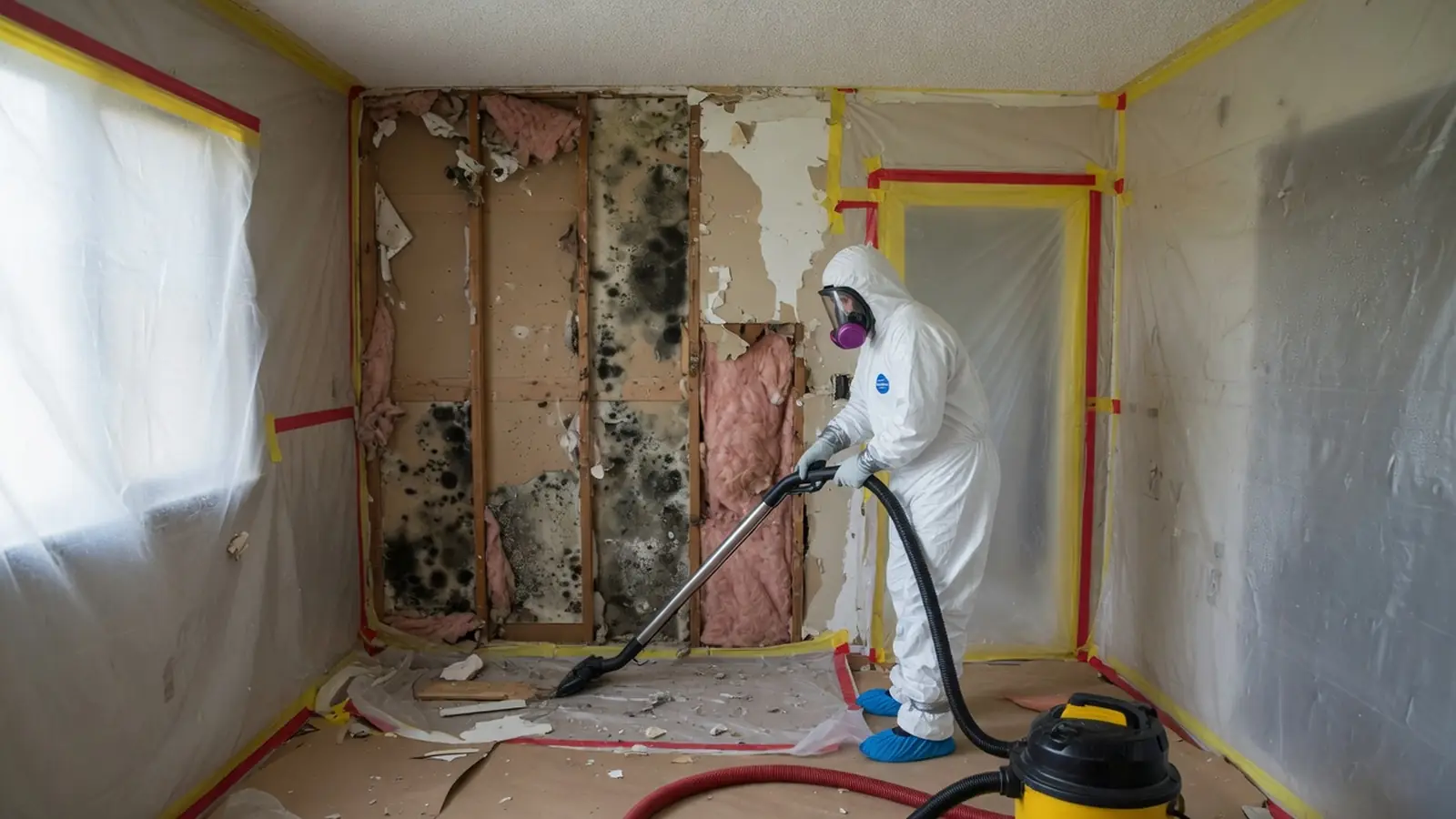
Using consumer shop vacs to remove visible surface water leaves enclosed wall cavities saturated, triggering rapid mold growth along baseboards and drywall. Certified remediation isolates affected zones with poly containment barriers and negative air HEPA scrubbers so disturbed mold spores cannot migrate into unaffected living areas. Our team eliminates fungal contamination at the root to ensure your indoor air remains safe and verifiable.
Call (239) 555-0124 for a roof that's open right now.
Scientific Containment And Structural Restoration
Around 20% of regional housing units (3,766 of 18,501) were built since 2000, meaning a substantial share of the local stock is still on its original systems with aging moisture barriers.
Our certified technicians specialize in comprehensive structural drying and property mitigation for residential properties across the region.
A frequent pattern echoed in public discussions is that homeowners require actionable guidance on rapidly stripping saturated carpet padding and porous materials before deploying commercial drying equipment to prevent mold.
Similarly, residents discovering hidden mold beneath kitchen floorboards after storm flooding need professional remediation protocols and air clearance testing before moving back in.
During a recent project near Vanderbilt Beach, our technicians set up negative pressure chambers and HEPA scrubbers to protect unaffected living spaces while removing contaminated insulation.
We work closely with environmental hygienists to ensure every remediation stage meets strict indoor air quality thresholds.
How We Eliminate Mold And Restore Air Quality
As trade video analyses frequently document, widespread post-storm electrical blackouts across coastal high-rises stall standard dehumidification, requiring mobile power to stop rapid mold growth before structural contamination spreads. Before structural sanitization begins, homeowners can find out more about our emergency weather stabilization procedures.
- Containment And Environmental Isolation. Certified remediation isolates affected zones with poly containment barriers and negative air HEPA scrubbers so disturbed mold spores cannot migrate into unaffected living areas. Technicians establish critical barriers across doorways and ventilation returns under negative pressure.
- Controlled Removal Of Porous Materials. Homeowners require actionable guidance on rapidly stripping saturated carpet padding and porous materials before deploying commercial drying equipment to prevent mold. We bag and discard non-salvageable sheetrock and tack strips inside the sealed envelope to maintain indoor cleanliness.
- Antimicrobial Treatment And Deep Structural Drying. Continuous high ambient humidity causes unconditioned attic ductwork and plenums to sweat, creating condensation cycles that trigger hidden mold colonies behind ceilings. We apply EPA-registered antimicrobial agents to framing while operating commercial desiccant dehumidifiers.
- Third-Party Clearance Verification. Residents discovering hidden mold beneath kitchen floorboards after storm flooding need professional remediation protocols and air clearance testing before moving back in. We partner with independent indoor environmental professionals who pull baseline air samples before reconstruction starts.
Scientific Standards And Honest Workmanship
We adhere strictly to IICRC S520 professional remediation standards, never cutting corners with cosmetic paint-overs or masking agents. Homeowners need independent assessment methods to distinguish cosmetic water staining treatable via dehumidification from hazardous mold requiring immediate complete demolition. When saltwater inundation penetrates living spaces, our crew coordinates with specialist teams handling rapid extraction after severe hurricane storm surges to stop microbial growth before structural rot sets in. We do not consider any job complete until independent post-remediation air testing confirms normal fungal ecology.
Containment And Air Scrubbing
Certified remediation isolates affected zones with poly containment barriers and negative air HEPA scrubbers so disturbed mold spores cannot migrate into unaffected living areas. We maintain continuous air filtration to capture microscopic particulates.
Subfloor And Structural Remediation
Residents discovering hidden mold beneath kitchen floorboards after storm flooding need professional remediation protocols and air clearance testing before moving back in. We remediate structural framing using targeted moisture extraction and antimicrobial washes.
Attic And Plenum Moisture Control
Continuous high ambient humidity causes unconditioned attic ductwork and plenums to sweat, creating condensation cycles that trigger hidden mold colonies behind ceilings. We remediate ceiling assemblies and dry framing to stop recurring moisture damage.
Our Scientific Approach To Mold Remediation
We rely on strict containment standards, industrial HEPA filtration, and independent third-party air clearance testing to ensure your indoor living environment is completely sanitized. Every protocol follows documented industry standards to protect structural integrity and occupant safety.
- 15Zip Codes Served
- 8Service Areas
- 3Services Offered
Read genuine feedback from local property owners who experienced our structured containment, transparent communication, and verified environmental testing.
“City inspectors signed off on the containment setup during their very first visit without requesting a single change. The crew filed the Collier County environmental paperwork immediately and coordinated the third-party air clearance protocols cleanly. It saved us from weeks of red tape and let our rebuild start on schedule.”
Marcus T.
“Every single morning by eight o'clock, I received timestamped photos and relative humidity logs directly to my phone. The team kept me informed at every stage of the HEPA filtration process so I never had to chase anyone down for answers. That level of daily clarity gave my family total peace of mind while we stayed at a rental.”
Elena R.
“Instead of ripping out all our custom cypress baseboards, the crew explained how targeted micro-cavity drying and a botanical antimicrobial wash could safely preserve the sound wood. They pinpointed exactly which porous subfloor sections genuinely required removal, saving us thousands compared to other estimates. The finished clearance testing proved their selective approach worked perfectly.”
Julian K.
“A sudden afternoon thunderstorm knocked out grid power and stalled the building freight elevator right when drying gear needed to move upstairs. The crew deployed mobile generators and worked an authorized Saturday shift to catch up on the air scrubbers without missing our target completion date. Their quick recovery prevented moisture from creeping into adjacent units.”
Brenda M.
Frequently Asked Questions
Do I need an independent post-remediation air quality clearance test before contractors begin rebuilding removed drywall?
Yes, an independent environmental clearance test confirms spore levels match outdoor baselines before contractors enclose open stud cavities. Third-party testing ensures impartial verification that airborne mold spore counts are safe. Never allow the same contractor doing remediation to sign off on their own air quality clearance.
How can I tell cosmetic water staining from hazardous mold requiring demolition?
Moisture meters, infrared imaging, and surface sampling distinguish superficial discoloration from active microbial colonies penetrating framing. Homeowners need independent assessment methods to distinguish cosmetic water staining treatable via dehumidification from hazardous mold requiring immediate complete demolition. When moisture readings exceed 16 percent, physical removal of porous materials is mandatory.
What remediation protocols are required for mold discovered under kitchen floors?
Floorboard remediation requires poly containment, negative air scrubbing, subfloor moisture extraction, and certified post-clearing verification. Residents discovering hidden mold beneath kitchen floorboards after storm flooding need professional remediation protocols and air clearance testing before moving back in. Saturated planks trap dampness against slabs, requiring complete removal of compromised underlayment.
Why can I not clean up interior water damage with a household shop vacuum?
Shop vacuums only pull surface water, leaving enclosed wall framing damp and creating hidden fungal colonies behind drywall within 48 hours. Using consumer shop vacs to remove visible surface water leaves enclosed wall cavities saturated, triggering rapid mold growth along baseboards and drywall. Professional desiccant dehumidifiers and deep cavity injection tools are essential to reach hidden moisture.
Why do older homes experience recurrent ceiling mold without an active roof leak?
Unconditioned attic ductwork sweats heavily in humid air, producing recurring condensation cycles that soak ceiling drywall from above. Continuous high ambient humidity causes unconditioned attic ductwork and plenums to sweat, creating condensation cycles that trigger hidden mold colonies behind ceilings. About 20% of housing units locally (3,766 of 18,501) were built since 2000, so a substantial share of the local stock is still on its original systems with deteriorating duct insulation.